BLOG
Who Pays What? EXW vs FOB Cost Responsibility Compared
- wanmeili
- 2026-11-20
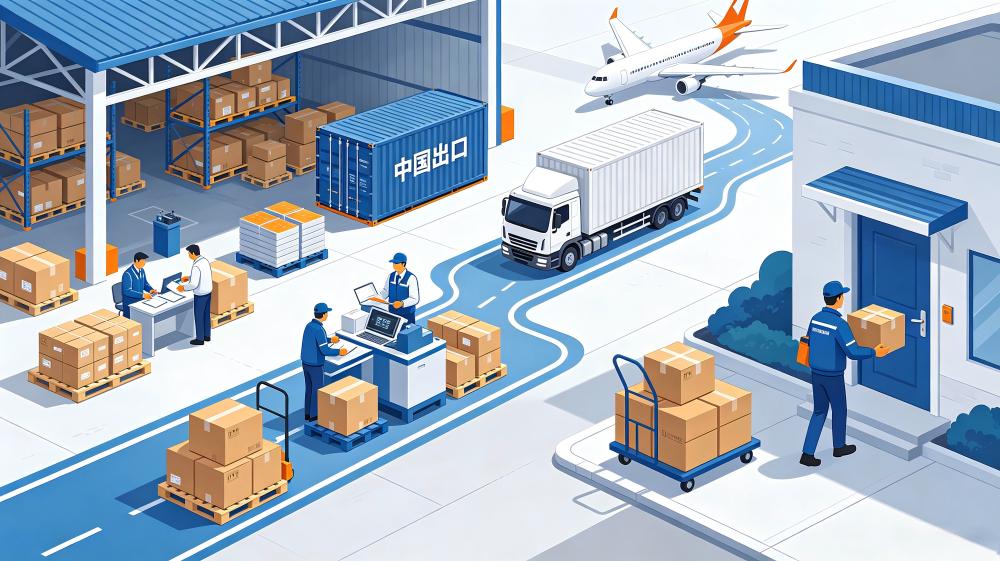
If you are sourcing goods from China, understanding EXW vs FOB cost responsibility is one of the fastest ways to avoid surprise charges. In simple terms, EXW puts most costs on the buyer, while FOB shifts more origin costs to the seller. However, the details matter, especially for export clearance, loading, freight, insurance, and destination charges. This guide explains the difference in plain English and helps you compare quotes more confidently with your China shipping services provider.
EXW vs FOB Cost Responsibility: The Basic Difference
EXW means “Ex Works.” Under EXW, the seller’s main job is to make the goods available at an agreed place, usually the seller’s factory or warehouse. Therefore, the buyer generally pays for pickup, loading, export clearance, origin charges, main freight, insurance, import clearance, and final delivery.
FOB means “Free On Board.” Under FOB, the seller delivers the goods on board the vessel at a named Chinese port. As a result, the seller normally pays for export clearance, inland transport to the port, and costs up to loading on board. Meanwhile, the buyer pays for ocean freight, insurance, destination charges, and import clearance.
In short, the main difference in EXW vs FOB cost responsibility is where the seller’s cost ends and the buyer’s cost begins.
Who Pays What? EXW vs FOB Cost Responsibility Breakdown
The table below gives a practical overview. Nevertheless, always confirm the exact terms in your sales contract and shipping quote.
| Cost or Task | EXW Seller | EXW Buyer | FOB Seller | FOB Buyer |
|---|---|---|---|---|
| Export packaging | Usually yes | No | Usually yes | No |
| Pickup at seller’s premises | No | Yes | Usually yes | No |
| Loading at seller’s premises | No | Yes | Usually yes | No |
| Inland transport to Chinese port | No | Yes | Usually yes | No |
| Export customs clearance | Usually no | Yes | Usually yes | No |
| Origin port charges | No | Yes | Usually yes, as agreed | Usually no |
| Loading on board vessel | No | Yes | Usually yes | No |
| Ocean freight | No | Yes | No | Yes |
| Cargo insurance | No | Yes | No | Yes |
| Destination charges | No | Yes | No | Yes |
| Import clearance and delivery | No | Yes | No | Yes |
How EXW vs FOB Cost Responsibility Affects Export Clearance
Export clearance is a common confusion point. Under EXW, the buyer is generally responsible for export clearance in China. However, in practice, many buyers ask their supplier or China customs clearance agent to help. Since EXW gives the seller limited responsibility, any extra help should be clearly agreed in writing.
Under FOB, by contrast, the seller normally handles export clearance. Consequently, the buyer does not need to arrange Chinese export customs clearance separately. This is one reason many first-time importers prefer FOB shipping from China over EXW.
EXW vs FOB Cost Responsibility at the Port and On Board
At the port, FOB requires the seller to deliver the goods on board the vessel. Therefore, the seller usually pays origin terminal handling and loading costs, unless the contract says otherwise. After the goods are on board, the buyer takes over the main transport costs.
Under EXW, the buyer manages everything from the seller’s door onward. In addition, the buyer must arrange pickup, export clearance, port handling, and ocean freight rates. This can work well if you already have a reliable freight forwarder in China, but it requires more coordination.
Common Misunderstandings About EXW vs FOB
First, EXW does not mean “the seller pays nothing.” The seller still packages the goods and makes them available at the agreed place. Second, FOB does not mean “the seller pays all costs to your country.” The seller’s responsibility normally ends once the goods are on board at the Chinese port.
Moreover, insurance is often misunderstood. Under both EXW and FOB, the buyer usually arranges and pays for cargo insurance. Therefore, do not assume the seller’s quote includes insurance unless it is written clearly.
Finally, port charges can vary by port, carrier, and contract. As a result, compare quotes line by line, not just by the total price.
How to Choose Based on EXW vs FOB Cost Responsibility
Choose EXW if you have strong logistics support in China and want full control over pickup, export clearance, and freight. However, EXW requires more work and can create delays if documents or customs arrangements are incomplete.
Choose FOB if you want the seller to handle Chinese export clearance and loading on board. In addition, FOB often makes cost comparison easier because the origin responsibilities are clearer. For many buyers, FOB is a practical balance between control and convenience.
If you need door-to-door support, you can also compare FOB with door-to-door shipping options. Nevertheless, always confirm who pays each charge before booking.
Conclusion
To summarize, EXW vs FOB cost responsibility comes down to the handover point. Under EXW, the buyer pays most costs from the seller’s premises onward. Under FOB, the seller pays more origin costs, including export clearance and loading on board, while the buyer pays main freight and destination costs. Therefore, the right choice depends on your experience, your forwarder, and how much control you want.
Need help comparing EXW and FOB quotes from China? Contact our China shipping team today to request a quote and get clear, line-by-line cost guidance for your next shipment.
Related Posts
BLOG
2026-09-01
No Comments
BLOG
2026-08-19
No Comments