
BLOG
International Shipping Cost Reduction: Actionable Strategies for Businesses
- wanmeili
- 2025-12-16
For any business selling overseas, managing expenses is key to staying competitive. International shipping can be a major cost center, but it doesn’t have to erode your profits. With the right approach, significant international shipping cost reduction is achievable. This guide will walk you through practical strategies, from optimizing your packaging to leveraging technology, that can lead to substantial savings on your global logistics.
Fundamental Levers for Cutting Shipping Expenses
Achieving lower costs isn’t about one magic trick; it’s about systematically addressing several areas of your shipping process. By focusing on the following core strategies, you can build a more efficient and cost-effective supply chain.
Optimize Packaging & Product Dimensions
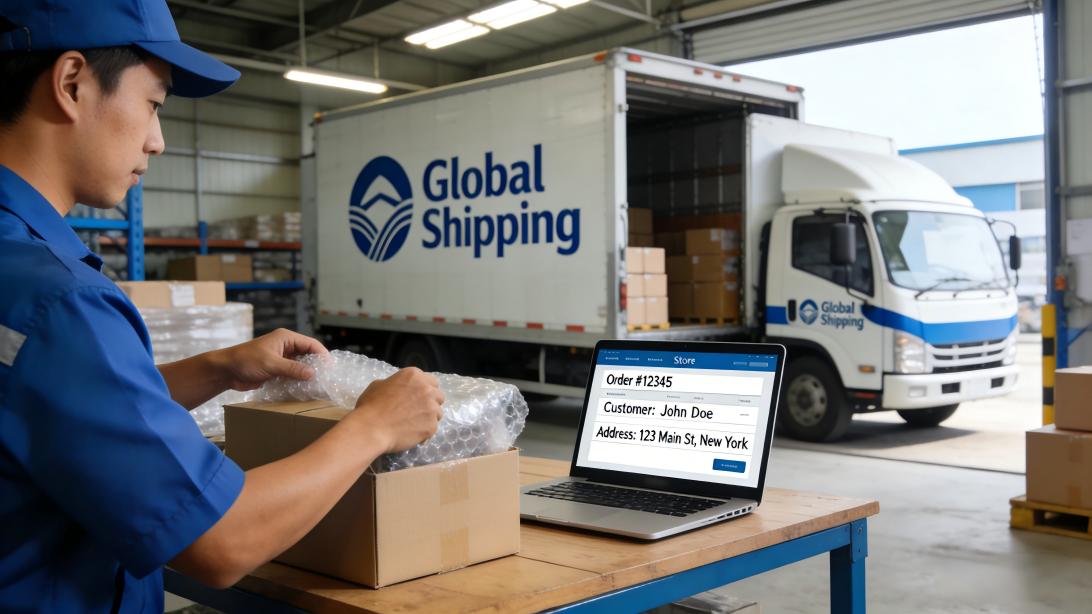
This is often the fastest way to see savings. Carriers calculate shipping costs using either actual weight or dimensional weight (DIM weight)—whichever is greater. DIM weight is based on package size. Therefore, reducing box size directly reduces cost.
- Right-Size Boxes: Use the smallest possible box that safely fits your product with cushioning. Eliminating empty space is crucial.
- Consider Custom Packaging: For high-volume products, investing in custom-fitted packaging can dramatically cut dimensional weight and material costs over time.
- Use Lightweight Materials: Swap out heavy packing materials for lightweight, protective alternatives where possible.
Leverage Technology & Carrier Comparisons
Relying on a single carrier or manual processes is a missed opportunity for savings.
- Use Shipping Software: Platforms like Shippo, Easyship, or ShipStation automatically compare rates across multiple carriers (UPS, FedEx, DHL, national postal services) to find the best price and service for each shipment.
- Negotiate Rates: If you have consistent shipping volume, use data from your software to negotiate better contracted rates with carriers.
- Explore Consolidation Services: For smaller parcels, consider carrier consolidation programs where your shipments are grouped with others to access lower bulk rates.
Streamline Customs for Efficiency & Avoid Fees
Customs delays and errors are hidden cost drivers. Proper documentation management is a powerful tool for reducing overseas shipping expenses.
- Ensure Perfect Paperwork: Inaccurate or incomplete commercial invoices, packing lists, and HS codes are the top causes of delays. Use digital tools to generate and store these documents correctly. For a deep dive on this, see our guide on Navigating International Shipping Documentation.
- Pre-Pay Duties and Taxes (DDP): Offering Delivered Duty Paid (DDP) shipping can prevent unexpected “bill of fees” for your customer, reducing failed deliveries and support headaches.
- Understand Trade Agreements: Research if your goods qualify for preferential duty rates under trade agreements between your country and the destination, which requires a correct Certificate of Origin.
Implement Smart Operational & Strategic Practices
Finally, step back and look at your overall business strategy. Often, strategic shipping cost reduction comes from broader operational shifts.
- Offer Tiered Shipping Options: Not every customer needs express delivery. Provide (and clearly promote) a budget-friendly, slower option to steer cost-conscious buyers.
- Re-Evaluate Your Fulfillment Model: As you grow, analyze if using a Third-Party Logistics (3PL) provider or establishing foreign fulfillment centers could lower your average last-mile delivery cost.
- Bundle Items: Encourage customers to buy more per transaction by setting a free shipping threshold that is strategically above your average order value. This increases cart size and can make shipping more cost-effective per item.
Conclusion
Reducing international shipping costs is a continuous process of optimization and informed decision-making. By methodically addressing packaging, leveraging technology for carrier rates, ensuring flawless customs documentation, and implementing smart business practices, you can transform a major expense into a competitive advantage. Remember, the goal is not just cheaper shipping, but a more efficient, reliable, and customer-friendly global delivery system.
Ready to start saving? Conduct a full audit of your last quarter’s shipments. Identify your heaviest, bulkiest packages and highest-cost destinations. Then, begin implementing one or two strategies from this list. Track your results, and you’ll be on your way to achieving significant international shipping cost reduction.
Related Posts

Shipping News
2026-03-27
No Comments

BLOG
2026-03-13
No Comments